Case Study: Increasing Fluoride Varnish Acceptance
Sponsored Content: Young Innovations
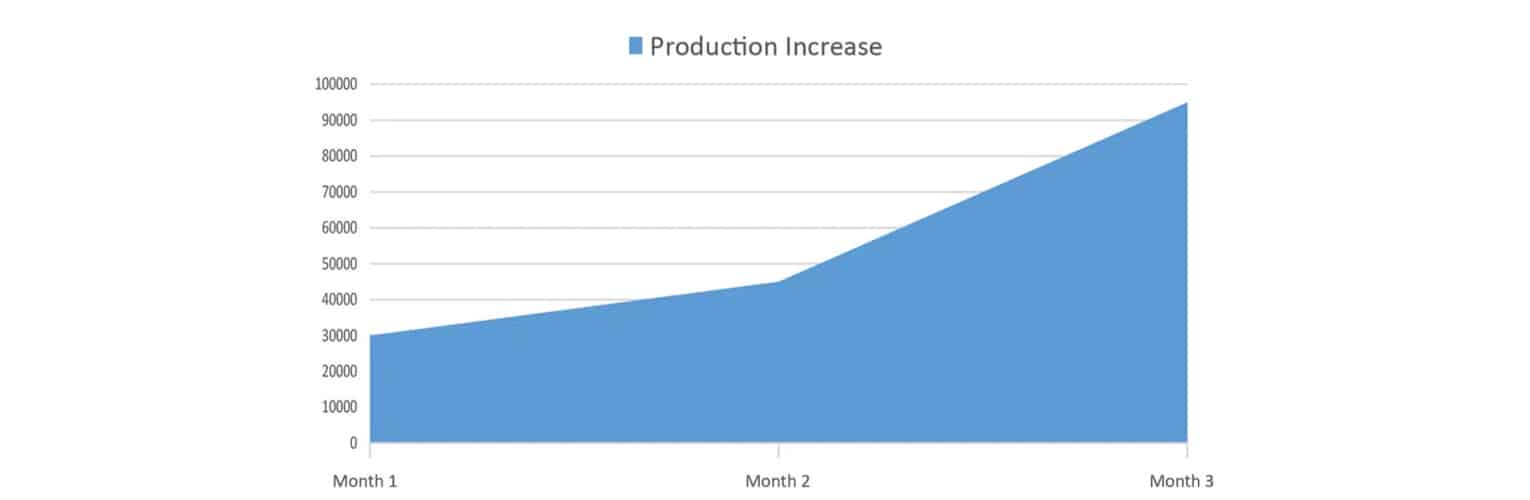
How an education-based shift helped triple production
By Amanda Hill, RDH
Fluoride varnish treatment is an established standard of care, but many group practices routinely leave valuable varnish production on the bracket tray, or even in the supply closet. This not only affects a DSO’s bottom line, it’s a missed opportunity to provide a thorough prevention-focused visit, elevating the clinician from a teeth-cleaner to a healthcare provider.
One company is helping DSOs increase their varnish production through a unique program that goes beyond the usual “price-and-product” approach of other manufacturers. In this case study, we’ll explore how Sage Dental increased fluoride varnish production by more than 200% through a relatively simple method: clinical education.
Why Varnish?
Commonly, DSOs look to price and efficiency when choosing products. Fluoride varnish is the perfect balance of cost and production. It’s quick and easy to apply, readily tolerated by patients of all ages, and priced reasonably enough to keep the shelves stocked.
Unlike the old goopy tray method or rinses, fluoride varnishes adhere to the tooth, allowing for longer exposure time. They have proven to effectively reduce caries and help seal dentinal tubules, aiding in the relief of dentin hypersensitivity (DHS). One added bonus is that patients can feel varnish, giving them a better connection to what they are paying for.
When you’ve already implemented as many cost-saving measures as possible, where do you go next to boost your production? One company flipped the script and took an education-based approach. They shifted their mindset to seeing each patient as a new patient with individual needs. By doing so, they created an effective playbook for increasing varnish production by more than 200%.